
Jun
Shrimp, Shrimp Tank
A Guide for Keeping Freshwater Shrimp
Freshwater shrimp have become one of the most fascinating and colorful additions to aquariums around the world. Whether kept in a dedicated shrimp-only nano tank or as part of a larger planted community setup, these invertebrates provide beauty, control algae, and offer constant activity. This guide provides an in-depth look at how to successfully care for, breed, and properly condition the water for freshwater shrimp.
Understanding the Two Main Genera: Neocaridina & Caridina
Shrimp in the aquarium hobby are typically categorized into two genera:
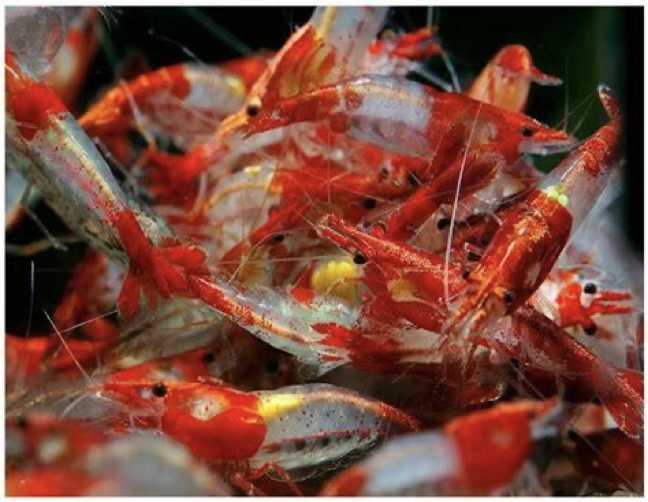
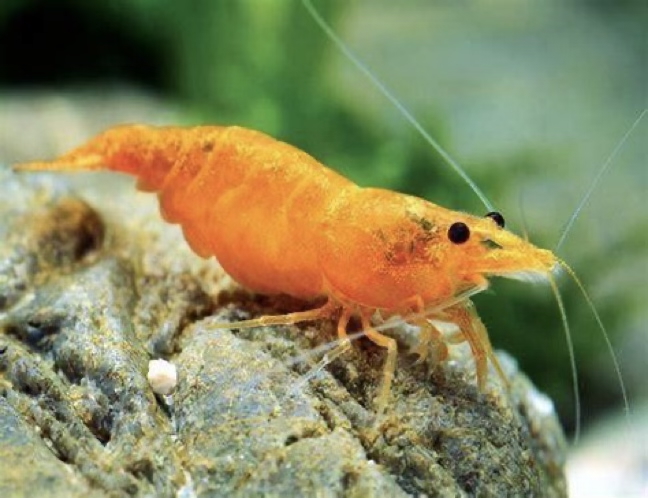
Neocaridina, which are Hardy and ideal for beginners. These shrimp are prolific, hardy, and come in many vibrant color strains, such as Red Cherry, Blue Dream, Yellow, Sunkist Orange, and Green Jade.
Caridina: More delicate and demanding, but prized for their patterns and variety. Common types include Crystal Red, Crystal Black, Blue Bolt, Black King Kong, and various Tiger Shrimp.
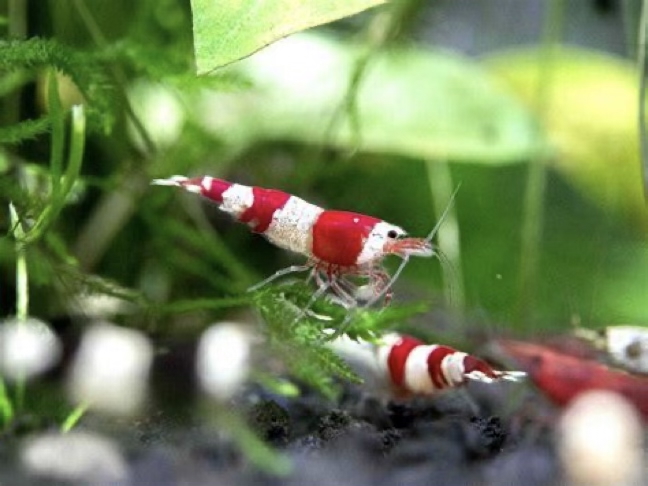
Important Note: These two genera cannot breed with each other due to their distinct reproductive structures. Even within a genus, compatibility depends on species and strain.
Water Parameters for Success
Proper water parameters are essential to shrimp health and breeding. Below are the general targets for each genus, followed by methods for creating and maintaining ideal conditions.
Neocaridina Suggested Parameters:
– Temperature: 65–84°F (ideal: 72–77°F)
– pH: 6.5–8.0
– TDS: 200–300 ppm
– GH: 4–8 dGH
– KH: 3–15 dKH
Caridina Suggested Parameters:
– Temperature: 64–76°F (ideal: 68–72°F)
– pH: 6.0–6.8
– TDS: 100–200 ppm
– GH: 4–6 dGH
– KH: 0–2 dKH
Creating Ideal Water Conditions:
– Start with RO/DI Water www.aquaLiferx.com has
– Remineralization:
– Neocaridina: aquaLife Complete or GH/KH+ shrimp salt mix
– Caridina: GH+ only
– Substrate Influence:
– Caridina: active substrate (e.g., aquaLife, Andisol, Mr Aqua Aquarium soil)
– Neocaridina: inert gravel or sand
– Testing: Use liquid test kits and TDS meters (e.g., Milwaukee Instruments)
Setting Up Your Shrimp Tank
Tank Size:
– 3-5 gallons minimum for Neocaridina
– 7–20 gallons or more for Caridina colonies
Filter:
– Sponge filters are preferred for safety and surface area. Hydra Aquatics produces the best in two different types, and UP Aqua offers some internal air-driven filters that feature unique benefits.
– Small HOB filters (e.g., Azoo Mignon) with prefilter sponges work well.
Heater:
– Use if the ambient temperature fluctuates. Consistency is key.
Substrate:
– Neocaridina: Inert substrates like sand or gravel or the UP Aqua Shrimp Sand
– Caridina: Active substrates like aquaLife Andisol for soft, acidic water
Hardscape & Plants:
– Black Forest wood, Dragon Stone, and driftwood encourage biofilm growth
– Live plants such as Java Moss, Christmas Moss, Hornwort, and Red Root Floaters provide cover and filtration
Water Chemistry & Maintenance
– Ensure the tank is fully cycled before adding shrimp
– Use liquid test kits to monitor ammonia, nitrite, nitrate, pH, GH, and KH. Test Kits by Sera and Fritz are among our favorites.
– RO water with GH/KH supplements is often necessary for Caridina
-Sera Shrimp Mineral Salt, Azoo Minerals Plus, Azoo GH Plus, and Aquavitro Mineralize will work for adjusting GH and keeping the element shrimp need to molt.
-KH products such as aquaLife Simple Science alkalinity and Aquavitro KH can be used to adjust KH
Stabilization Tips:
– Drip acclimate new shrimp to minimize shock from differing water parameters.
– Allow tanks to age for at least 4–6 weeks to facilitate the development of biofilm.
Feeding Shrimp
Shrimp are omnivorous scavengers. They feed on:
– Algae
– Biofilm
– Decaying plant matter
– Fish flakes, pellets, and wafers
Supplemental Shrimp Foods:
– Calcium-rich foods for molting support
– Baby shrimp powder for high survival rates
– aquaLife Pro Shrimp Sticks are excellent.
Breeding Tips
– Neocaridina breed easily when comfortable; no intervention is needed
– Caridina require specific parameters and stable conditions
– Females carry 20–30 eggs under their abdomen for 2–3 weeks before hatching
– Provide moss and hiding areas for shrimplets to thrive
Tankmate Compatibility
Best kept in shrimp-only tanks or with:
– Peaceful nano fish (e.g., Rasboras, Ember Tetras, small Rainbows)
– Pygmy Corydoras, Otocinclus
– Snails and other shrimp species (avoid mixing color morphs)
Avoid aggressive or predatory fish like:
– Bettas
– Barbs
– Large Tetras
– Cichlids and Goldfish
Final Tips for Shrimp Success
– Let tanks age naturally—seasoned aquariums provide stable micro-ecosystems
– Use drip acclimation when adding shrimp
– Avoid large water changes or sudden parameter shifts
– Use CO2 cautiously; monitor pH stability
Freshwater shrimp offer a rewarding and low-maintenance experience for aquarists of all levels. With the proper setup and care, your shrimp colony will thrive and become a stunning centerpiece of your aquarium.
For shrimp supplies, substrates, filters, and aquascaping tools, visit www.sevenports.com .
Shrimp Image Gallery