
Jan
Aquascaping Technique, Cleaning Supplies, Planted Tank Technique, Solution
How to Maintain Clean and Siphon Aquarium Substrates & Soils In Planted Tanks?
Should you siphon or gravel clean your aquasoil substrate?
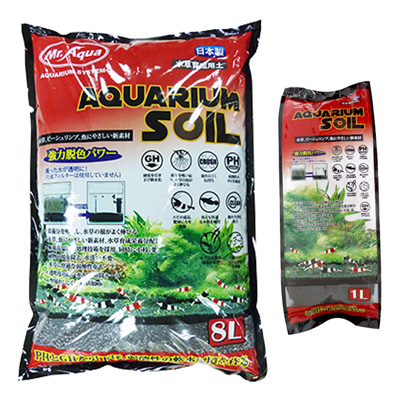
Aquasoils like Mr Aqua, UP Aqua, aquaLife, and other brands are now standard in many planted tank setups. Still, very few sources, if any, cover how to maintain aquasoil substrates for months or years after it is used. Many of the concepts here will apply to inert substrate tanks as well. It may not be evident whether the substrate is well maintained for slow growth tanks and folks who tear down their tanks yearly. However, substrate problems impact many aquariums’ plant growth and overall tank stability in a fashion that cannot be compensated for purely by managing water parameters or fertilizers.n
vel Many people who tear down their tanks yearly do so because they start to run into persistent plant health issues after months of not touching their substrate. The other group of folks for whom maintenance of substrate has a large impact are the folks who are attempting to cultivate delicate, rare, or small-sized species that are more sensitive. Tissue culture plants and small carpets melt more easily and get algae issues when there is detritus buildup in the substrate.
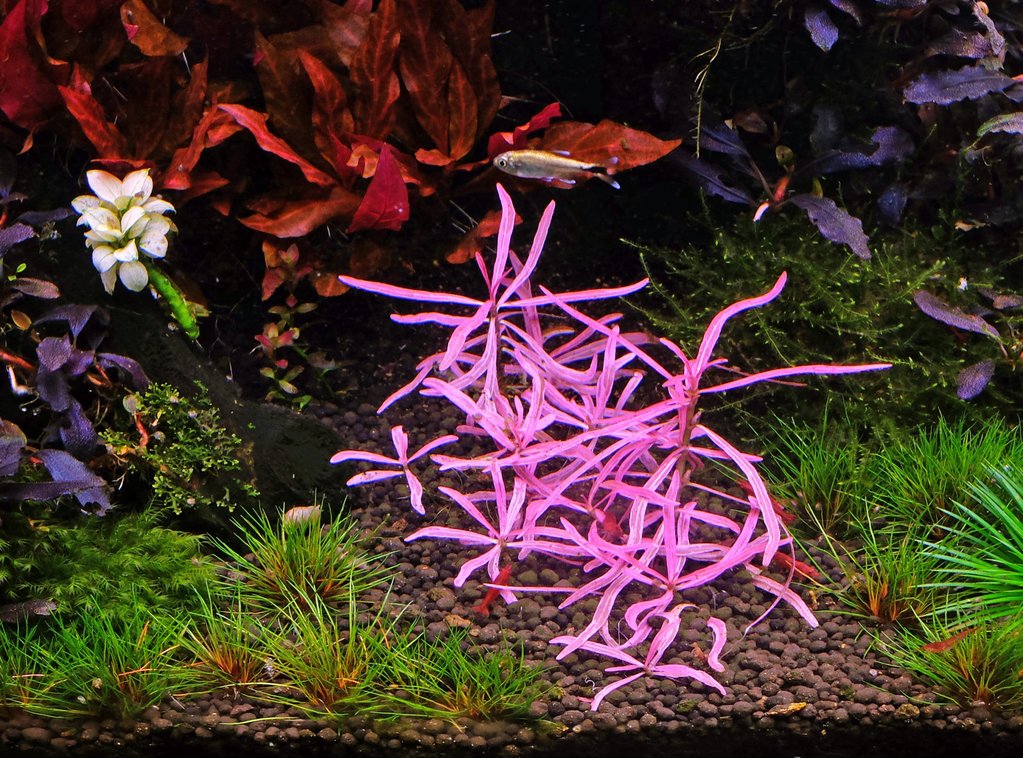
A well-maintained aquascape does not need to be torn down entirely for many years. Two things happen over time that are not immediately visible to most aquarists.
The first is the depletion of nutrients and the buffering capacity of the substrate. Many aquasoils are enriched with ammonia nitrogen. This provides a rich source of Nitrogen for rooted plants. Ammonium is an incredibly effective nitrogen source for many species. They grow fuller with better form when it is present in the substrate. Ammonium binds to the soil, so you need aquasoil or soil to have it available to plants. This is why Aquasoil substrates always grow plants better than just inert substrates spiked with root tabs. Laboratory analysis of aged aquasoil samples from Tom Barr’s tanks (Barr report Vol5, issue 1) shows that while ammonium levels are depleted over time, P, K, and Fe levels of aged soils were higher than in new aquasoils. This may primarily be due to the rich water column nutrient dosing done in that particular tank, demonstrating that water column nutrients make their way into the substrate over time. Depending on the amount/type of soil used, water change schedules, and growth cycles, aquasoils start depleting their nutrient stores significantly after 6 to 10 months. In soft water tanks, their buffering capacity may last longer. Source www.2hraquarist.com
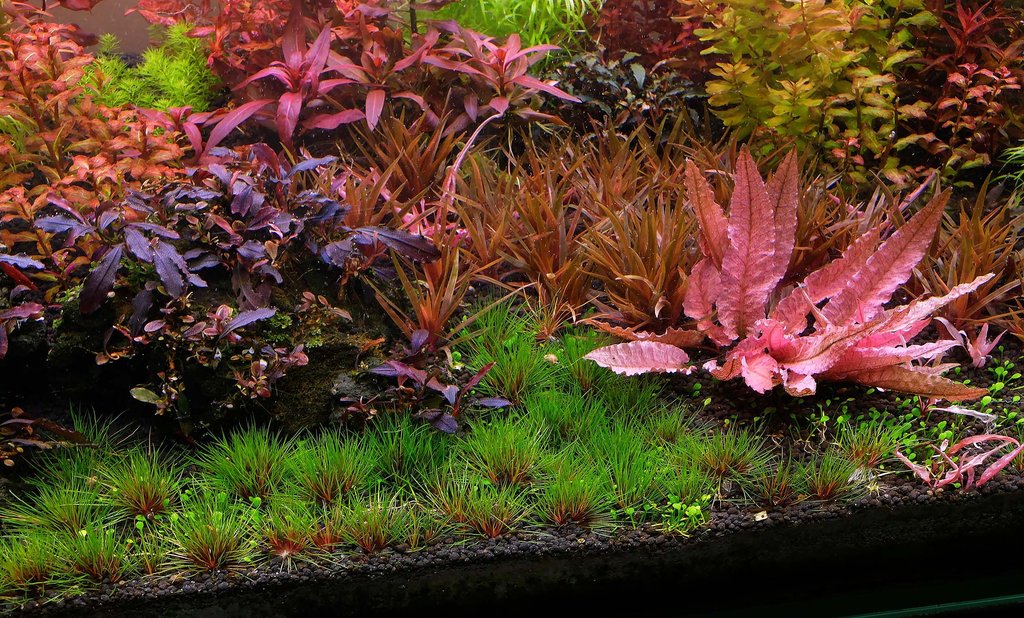
The second issue is that waste and organic material build up in the substrate over time. This comes from old decaying roots and a breakdown of organic debris in the tank environment, such as old leaves and fish waste. This organic material buildup tremendously impacts delicate, more diminutive plants and their root systems. More demanding, larger plants tend to be less affected. This organic buildup leads to poor growth, algae, and the melting of lower stems.
Preventing excess buildup of organic detritus leads to better growth, less algae, and more stable growth for delicate species. Aquarists think that having some organic detritus build up supplies nutrients to rooted plants, is not entirely wrong. Waste does add nutrients to the substrate, just like leaves in the forest. However, having an extensive amount of buildup has largely negative consequences. Given that better planted aquasoils or substrates will have more than adequate nutrients for plants, it is never necessary or conducive to allow detritus to build up in the substrate. Planted tanks grow better with less algae when the substrate is kept cleaner. Build-up of organic detritus is one of the critical factors plaguing hobbyists facing persistent Black Beard Algae, also known as BBA.

Organic detritus builds up very quickly in tanks where there are deteriorating plants. This aspect makes it doubly problematic for beginners who face problems tuning their tanks right from the start. As detritus builds up in the substrate due to the first round of melting plants, it gets harder to grow the next round of plants, and algae problems start appearing, etc. Folks who do not know how to deal with this often end up tearing down the tank and restarting a new one. Such restarts are not necessary. Simply clearing up the organic detritus from the top layer of the substrate would work.
Clearing buildup of organic material
If you run a very high light tank with fast growth rates or high bio-load, it usually produces more elevated amounts of detritus. In this environment, algae are easily triggered. Doing light substrate surface vacuuming every week as part of the water change schedule is essential. This can be done less frequently for slower-growing tanks with low bio-load, once every 2 or 4 weeks.
This process is easy. Hover a small siphon hose over the surface of the substrate while kicking up surface detritus with a feeder (cleaner). For weekly or normal monthly cleaning, do not disturb more than just the top 1 cm of aquasoil. Simply squeeze the bulb of the feeder and kick up the debris as you siphon it with the small hose of a gravel cleaner.
We will have a videos that demonstrate.
Sometimes, a deeper cleaning for tanks with vast amounts of old roots from dense planting or aquasoil substrates that have been used for years is needed. This can only be done after plants have been uprooted, so usually, it is done with replanting cycles for plants. It is the same as above, except the aim is to get detritus out of deeper layers. There is no particularly delicate technique to do this; you can move the aquasoil with a small spade or your fingers while siphoning up smaller particles and detritus; this goes with manually clearing out old roots & portions of old growth trapped in the soil. A 2nd significant water change should accompany this. Stirring up deep layers of substrate usually releases ammonia and organics into the water column that need to be removed.
This is a good time to add fresh aquasoil or root fertilizer tabs to enrich the soil.
There are two main ways to enrich aquasoils that have been depleted. The first is by mixing in rich, new ammonium-rich aquasoil every once in a while (a small amount every 3 to 6 months is a good rate). As mentioned above, one of the aspects of aquasoils is that ammonium binds to soils, making them an excellent nitrogen source for growing plants. Having it available grows plants fuller with better form when it is present. Nutrients like Potassium and Magnesium are easily absorbed through the leaves of aquatic plants, whereas having ammoniacal nitrogen in the substrate is advantageous. If dosed into the water column instead, ammonia would quickly be oxidized to Nitrates in the water column and may also trigger algae. Nitrates, on the other hand, don’t readily bind to soil, so having them in root tabs just means that they leech out slowly and contribute to NO3 levels in the water column.
Indeed, many of the folks who tear down their tanks yearly do so because they start to run into persistent plant health issues after months of not touching their substrate. The other group of folks for which substrate maintenance has a significant impact is those attempting to cultivate delicate/rare/small-sized species that are more sensitive. Tissue culture plants and small carpets melt and get algae issues more easily when there is detritus buildup in the substrate.
Featured Articles:
Aquascaping with Jeff Miotke Part 1 Hardscaping with Q&A
Aquascaping with Jeff Miotke Part 2 Planting a Rimless Aquarium with Q&A
Professional Tools for Cultivating Your Planted Aquarium
Aquascaping 101: An Aquascaping Technique Guide
Planted Aquariums: Quick Tips for Success
Getting Started in Planted Aquariums
Frequently asked Questions about CO2, Diffusers, and Glassware